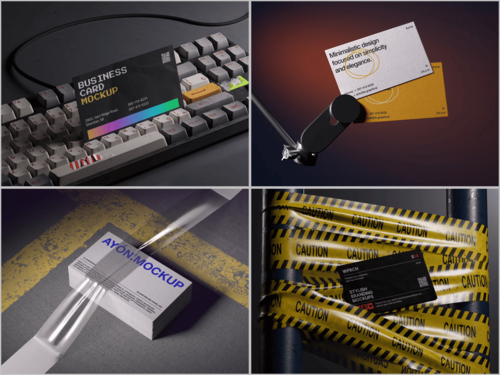
There’s something almost nostalgic about a beautifully designed magazine. The weight of glossy pages, the smell of fresh print, the way a cover stops you cold mid-scroll — even in a digital world, the magazine format carries undeniable visual authority. Smart online stores have figured this out. They’re borrowing that authority without printing a single copy, using Magazine mockup templates to present their seasonal catalogs in ways that feel tactile, premium, and deeply human.
Why the Magazine Format Still Sells
Before diving into strategy, it’s worth asking: why magazines? In an era of TikTok product drops and Instagram Reels, why does a flat rectangular publication still command attention?
Because it signals curation. A magazine doesn’t just show products — it frames them inside a world, a lifestyle, a moment in time. When a fashion boutique presents its autumn collection as a styled editorial spread rather than a product grid, customers don’t just see clothes. They see themselves wearing those clothes somewhere beautiful.
Online retailers have internalized this psychology. Seasonal catalogs — spring lookbooks, holiday gift guides, back-to-school collections — perform dramatically better when presented with visual storytelling rather than raw product listings.
The Practical Magic of Magazine Mockups
Creating a printed catalog is expensive. Photography, printing, distribution — costs stack up quickly. But a mockup lets brands simulate the print experience entirely within a digital workflow.
Here’s how it actually works in practice:
- A graphic designer drops the brand’s catalog layout into a mockup template
- The result is a photorealistic image of the magazine sitting on a marble table, fanned open, or held in someone’s hands
- That image gets used across email campaigns, social ads, landing pages, and Pinterest boards
The visual quality makes it indistinguishable from a real photograph. Customers perceive production value that simply isn’t there — and that perception becomes reality in their minds.
Real-World Examples: Mockups in Action
Let’s look at how actual online stores deploy this technique across different seasonal moments.
Holiday Gift Guides — A home décor brand publishes a December catalog featuring curated room sets and gift ideas. Instead of linking to a plain PDF, their email campaign opens with a mockup of the magazine resting beside a cup of coffee and pine cones. Open rates jumped because the visual promise felt premium before anyone clicked.
Spring Fashion Lookbooks — An independent clothing label with no budget for studio photography uses a mockup to present their seasonal collection. The result looks editorial. Customers reshare it on social media because it resembles content from established fashion magazines.
Back-to-School Catalogs — An online stationery retailer creates a colorful publication every August. By presenting it via mockup in a flat-lay composition with pencils and notebooks around it, the catalog becomes Pinterest-friendly content that drives organic traffic months after publishing.
These aren’t hypothetical strategies. They reflect how lean, creative teams punch far above their weight class visually.
Magazine Mockups on ls.graphics
For designers and marketing teams serious about quality, ls.graphics offers one of the most impressive collections of magazine mockups available online.
What sets them apart:
- Ultra-realistic rendering that makes digital compositions genuinely indistinguishable from studio photography
- Organized, named layers so swapping covers, pages, and backgrounds takes minutes, not hours
- Multiple angles and perspectives — flat lays, hands holding magazines, stacked publications, open spreads
- Different color styles and surface options for matching brand aesthetics precisely
- Stylish minimalistic compositions that keep the focus on your design without visual noise
- Edit Online feature — no software required, directly customize in the browser
- A generous library of free scenes to test before committing to any premium file
The premium mockups reflect the kind of craftsmanship that makes a $20 template do the work of a $2,000 photo shoot.
Choosing the Right Mockup for Your Catalog
Not every mockup suits every campaign. A luxury perfume brand needs moody, dark-toned compositions. A children’s toy catalog needs bright, playful flat lays. Matching the mockup’s visual language to your brand identity is the difference between looking polished and looking slightly off.
Consider the context where your catalog will live: email headers need portrait-oriented covers; social posts often work better with square or lifestyle compositions; landing pages benefit from dramatic angled shots that feel three-dimensional.
Also think about the season itself as a design cue. A winter holiday catalog calls for warm textures — knitted fabrics and wooden surfaces. A summer collection breathes better against clean white marble or sun-bleached linen. The mockup’s environment should whisper the same story your products are already telling.
Conclusion
The shift toward visual-first marketing isn’t slowing down. Online stores that understand how to present their seasonal catalogs with editorial confidence will consistently outperform those that don’t. Magazine mockups bridge the gap between digital convenience and the sensory richness of print — giving brands a tool that’s fast, affordable, and genuinely beautiful.
Whether you’re launching a summer lookbook or a holiday gift guide, the right mockup transforms a PDF into an experience. Platforms like ls.graphics make that transformation accessible to everyone, from solo designers to growing e-commerce teams ready to compete at the next level.
About the Author